If you are thinking about selling in Lakewood Ranch, timing the market is only part of the equation. In a community this large and varied, the sellers who stand out are usually the ones who price with precision, prepare thoughtfully, and launch with a clear plan. This guide walks you through each step so you can move forward with more confidence and fewer surprises. Let’s dive in.
Know the Lakewood Ranch Market
Lakewood Ranch is not one single neighborhood. It is a 35,000+ acre master-planned community spread across Manatee and Sarasota counties, with distinct villages, home types, amenities, and fee structures. According to the community overview from Lakewood Ranch, that means your home should usually be compared to similar homes in the same village, or at least the same property type and fee setup.
That detail matters because today’s market appears balanced, not rushed. Public market trackers cited in spring 2026 show negotiation is common, with Realtor.com reporting 1,386 homes for sale, a median 50 days on market, and a 97% sale-to-list ratio in February 2026. The exact numbers vary by platform, but the message is consistent: buyers have choices, so presentation and pricing matter.
Lakewood Ranch also offers more than just homes. The official FAQ highlights access to I-75, nearby beaches, Sarasota and Tampa, plus town centers, parks, trails, healthcare, and other daily conveniences. When you sell here, buyers are evaluating both your property and the lifestyle connected to it.
Step 1: Confirm Your Property Details
Before you think about photos, pricing, or showings, make sure you have the basics right. Because some villages are in Manatee County and others are in Sarasota County, the Lakewood Ranch FAQ notes that villages south of University Parkway are generally in Sarasota County, while those north are generally in Manatee County. You should confirm your exact county record before gathering tax, association, or closing documents.
This is also the time to confirm what fees apply to your property. Some homes have HOA fees, and some may also have Stewardship District fees. Lakewood Ranch explains that HOA fees vary by village and may cover amenities, common-area maintenance, and some lawn care or irrigation, while Stewardship District fees support infrastructure, trails, lakes, parks, road enhancements, stormwater systems, and conservation areas.
Step 2: Gather Documents Early
In Lakewood Ranch, paperwork can slow a sale if you wait too long. If your home is in an HOA or condo association, buyers will likely want details on fees, rules, assessments, and financial obligations before they feel comfortable moving forward.
A strong pre-list file often includes:
- HOA fee schedule
- HOA rules and regulations
- Current account or ledger information
- Any special assessment information
- Stewardship District fee details, if applicable
- Utility and service information that helps explain monthly ownership costs
If your property is a condo or townhome, the document package may be more extensive. Under Florida Statute 718.503, sellers may need to provide current copies of governing documents, financial statements, budgets, FAQs, and certain inspection or reserve documents when applicable. For HOA properties, Florida Statute 720.30851 requires an estoppel certificate within 10 business days of request, subject to statutory rules and timing.
Step 3: Complete Required Disclosures
Florida sellers should address disclosure issues before the listing goes live, not after an offer comes in. In Johnson v. Davis, the Florida Supreme Court held that a seller who knows about facts materially affecting the property’s value that are not readily observable and not known to the buyer has a duty to disclose them.
That duty still matters even if you plan to sell as-is. Florida Realtors also notes that as-is sales do not remove the seller’s disclosure obligations. Separately, Florida Statute 689.302 requires a flood disclosure to be completed and provided at or before contract execution, including questions about known flooding, flood-related insurance claims, and flood assistance.
Step 4: Prepare the Home to Show Well
In a balanced market, buyers notice the details. If your home feels clean, bright, and well cared for from day one, you give yourself a better chance of attracting stronger interest early.
The 2025 NAR staging report gives sellers a practical reason to prepare carefully. It found that 29% of agents said staging increased the dollar value offered by 1% to 10%, 49% said staging reduced time on market, and 83% of buyers’ agents said staging made it easier for buyers to picture the property as their future home.
That does not mean every home needs a full redesign. Often, the biggest gains come from:
- Decluttering surfaces and storage areas
- Deep cleaning the entire home
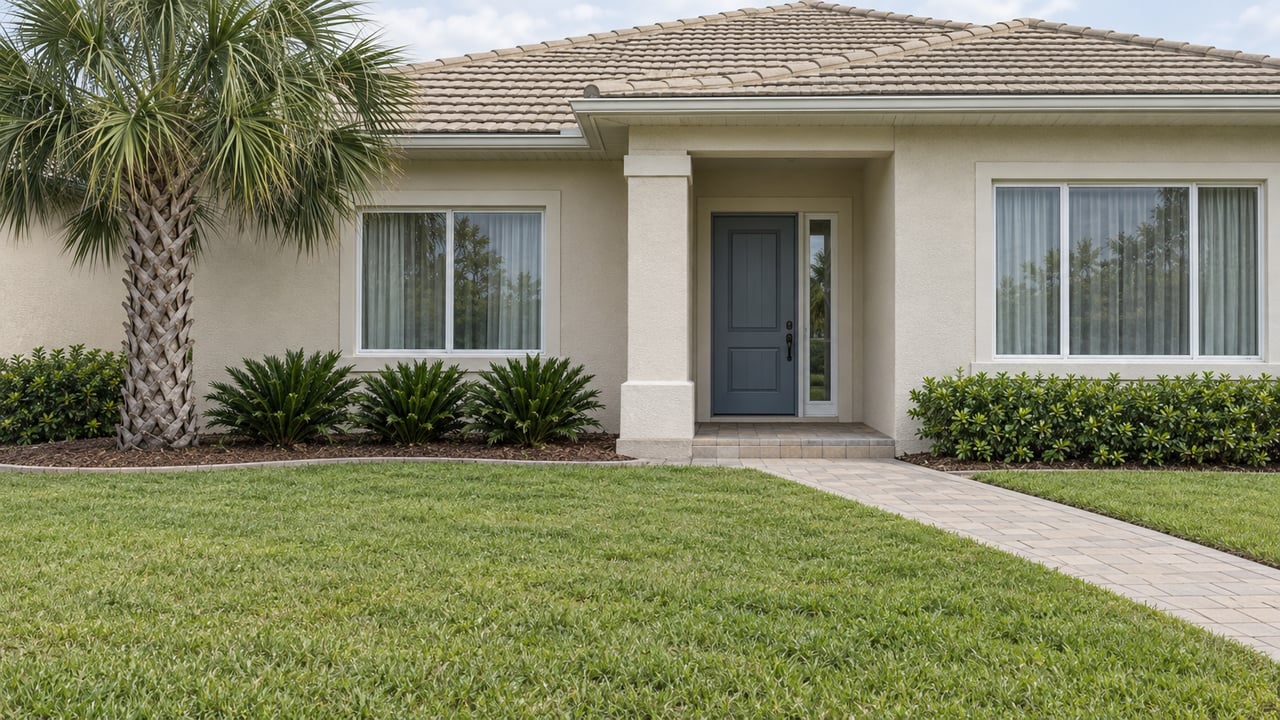
- Refreshing curb appeal
- Simplifying furniture layout
- Focusing on the living room, primary bedroom, and kitchen
NAR also found that buyers’ agents view photos, videos, virtual tours, and physical staging as important. That is why it usually makes sense to wait until the home is fully ready before launching instead of listing first and fixing presentation later.
Step 5: Price With a Village-Level Strategy
One of the biggest pricing mistakes in Lakewood Ranch is relying on broad averages. A condo, a villa, and a larger single-family home in different villages may all appeal to different buyers and carry different monthly ownership costs.
Because Lakewood Ranch is organized around villages and varied fee structures, the official community information supports a more specific pricing approach. Your price should be based on comparable homes with similar location, home type, condition, updates, and fee obligations, not just a general Lakewood Ranch estimate.
Current public data also shows buyers are comparing value carefully. Realtor.com’s market overview shows a median listing price of $632,500, with sales averaging 3.38% below asking. Combined with other public trackers showing median sale prices around the $600,000 range, that suggests your list price needs to be defensible from the start.
Step 6: Launch With Strong First Impressions
Your first week on the market carries weight. In a market where buyers have options, a stale start can cost you leverage later.
A strong launch usually includes aligned pricing, polished photography, and a home that is fully ready for in-person and online showings on day one. Since NAR’s staging research points to the importance of visuals and presentation, your goal should be to make the listing feel complete from the moment it hits the market.
In Lakewood Ranch, that also means telling the right value story. Buyers may care about the home itself, but they are also evaluating proximity to trails, amenities, town centers, healthcare, beaches, and major road access, as noted in the Lakewood Ranch FAQ. Good listing strategy connects the property to that broader convenience and lifestyle picture.
Step 7: Plan for Showings and Feedback
Once the listing goes live, speed and communication become more important. You should decide in advance how you want showing updates, buyer feedback, and offer activity handled so you are not making process decisions under pressure.
Florida Realtors notes that a single agent or transaction agent must present offers and counteroffers in a timely manner unless the seller has directed otherwise in writing. That makes a communication plan essential. You want to know when feedback is recurring, when traffic slows, and when an offer deserves fast action.
Step 8: Review Offers Beyond Price
The best offer is not always the one with the highest number at the top of page one. In many cases, your net result depends on the full set of terms.
According to Florida Realtors’ contract guidance, a seller is not required to accept any offer, and there is no Florida law requiring sellers to negotiate in the order offers are received. The same guidance notes that a lower-priced offer may still be more attractive if it offers better timing or cleaner terms.
When reviewing offers, pay attention to:
- Purchase price
- Closing date
- Financing type
- Inspection period
- Requested credits or repairs
- Appraisal-related protections, if any
- Association or condo document timing
That final point matters because Florida Realtors also notes the core Florida Realtors/Florida Bar contract does not automatically include an appraisal-to-purchase-price contingency. If appraisal protection affects your risk, it needs to be negotiated clearly.
Step 9: Expect Inspection Negotiations
Even well-maintained homes can face repair requests. Inspection is one of the most common places where a transaction can shift.
Florida Realtors notes that under an as-is contract, the buyer generally has a strong right to cancel during the inspection period in the buyer’s sole discretion. In practical terms, that means sellers should be ready for requests for repairs, credits, price adjustments, or a cancellation if the buyer becomes uncomfortable.
The best way to stay in control is to go in prepared. If you know the home’s condition, have your disclosures ready, and understand your priorities before the inspection response arrives, you can negotiate more calmly and effectively.
Step 10: Stay Organized for Closing
Closing in Florida is often less about drama and more about document management. When sellers stay organized, most of the final steps feel straightforward.
Florida Realtors notes that a power of attorney can be used for closing documents if it is properly prepared and notarized, and that Florida does not require the closing to happen in the county where the property is located. They also note that if the parties do not close on the scheduled date, the contract does not simply disappear. The issue becomes why closing did not occur and what the contract allows next.
For a Lakewood Ranch sale, try to have these items moving well before closing:
- Title and payoff information
- HOA or condo estoppel and document packages
- Flood disclosure paperwork
- Any required signatures or power of attorney arrangements
- Move-out planning and utility coordination
Final Thoughts on Selling in Lakewood Ranch
Selling a home in Lakewood Ranch is not just about putting a sign in the yard. It is about understanding your village, preparing the home well, pricing against the right comparables, and managing the details that shape buyer confidence from listing through closing.
In a market where buyers have choices, thoughtful execution can make a real difference. If you want a polished, well-managed selling strategy in Lakewood Ranch, Tonna Gruber offers concierge-level guidance, steady communication, and contract-focused support designed to help you move with confidence.
FAQs
How should you price a home in Lakewood Ranch?
- Price your home using comparable sales from the same village or a very similar home type and fee structure, because Lakewood Ranch varies widely by location, property style, and ownership costs.
Is staging worth it when selling a Lakewood Ranch home?
- Often, yes. NAR’s 2025 staging report found that staging can help reduce time on market and may improve the dollar value offered, especially when paired with strong photos and a clean launch.
What documents should you gather before listing a Lakewood Ranch property?
- Start with HOA documents, fee schedules, account information, any special assessment details, Stewardship District fee information if applicable, and condo documents if the property is a condo or townhome.
Do Florida sellers still need disclosures in an as-is sale?
- Yes. Florida disclosure duties still apply in as-is sales when the seller knows about material facts affecting value that are not readily observable and not known to the buyer.
What happens if the appraisal comes in low on a Lakewood Ranch home sale?
- The outcome depends on the contract terms. Florida Realtors notes the standard contract does not automatically include appraisal protection, so that risk should be negotiated explicitly if it matters in the deal.
What if the closing date is missed in a Florida home sale?
- Missing the closing date does not automatically cancel the contract. The next step depends on why closing was delayed and what the contract says about default, extensions, or performance.