Buying in WildBlue is not just about choosing a house. It is about choosing a process, a timeline, and the kind of lifestyle setup you want on day one. If you are weighing new construction vs resale homes in WildBlue, the right answer depends on how much you value personalization, speed, warranty coverage, and negotiation flexibility. This guide will help you compare both paths clearly so you can move forward with confidence. Let’s dive in.
Why WildBlue Feels Different
WildBlue is a large master-planned community in Lee County along the Fort Myers and Estero corridor. The community spans about 3,500 acres, with more than 800 acres of freshwater lakes and 1,329 acres of preserve land. That scale matters because you are not just buying a home here. You are buying into a fully planned setting with established infrastructure and a strong lifestyle component.
WildBlue also already functions as an amenity-rich community rather than a community that exists only on paper. The official community information references indoor and outdoor social spaces overlooking WildBlue Lake, the WildBlue Sports Club, fitness access, racquet sports, and dining and social spaces. At the same time, some amenity components are still described as coming soon, so it is smart to confirm exactly what is open for the specific home you are considering.
New Construction in WildBlue
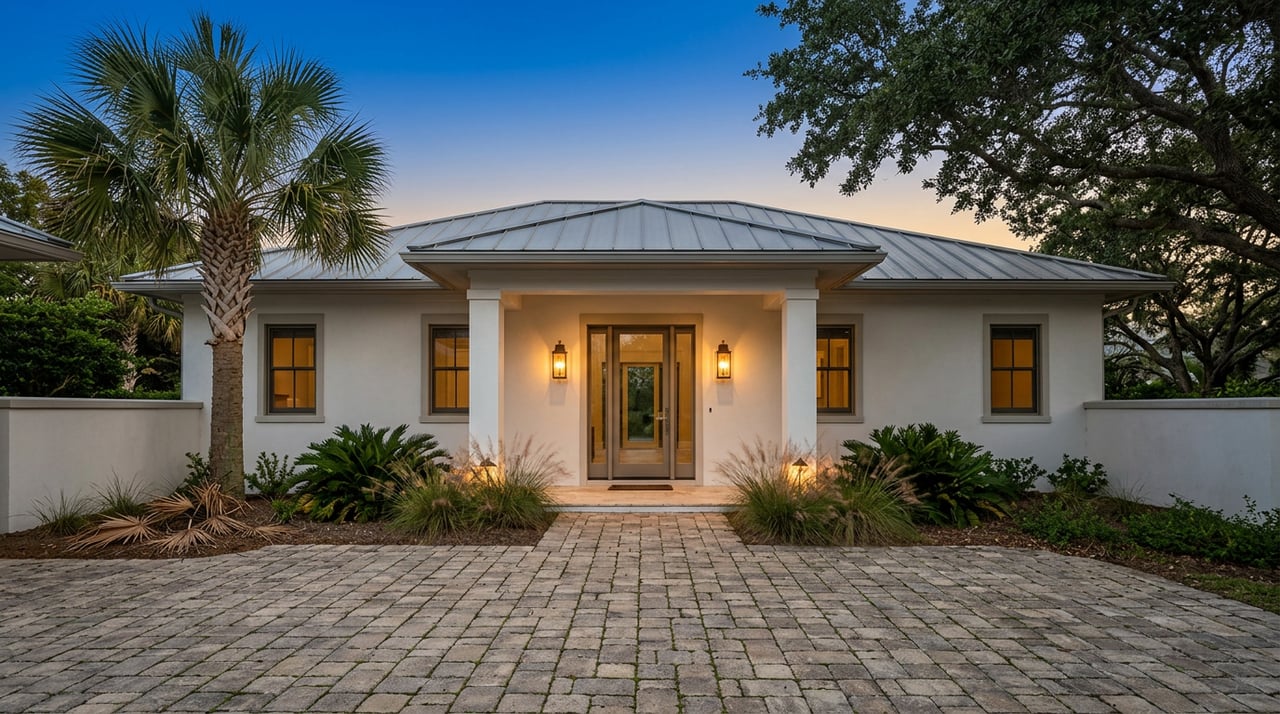
New construction appeals to buyers who want a fresh start and a more personalized home. In WildBlue, that can mean choosing a floor plan, selecting finishes, and building around your preferences before the home is complete. For many buyers, that sense of control is the biggest advantage.
Personalization Comes First
Customization is usually strongest before construction is finished. Current WildBlue floor plan information from STOCK shows single-family plans on 85-foot lots ranging from about 2,500 to more than 3,400 square feet, along with select estate lots in the Peninsula and only a few custom homes remaining. If personalization matters to you, timing can be important because your choices may narrow as inventory changes.
That said, it is important to separate model-home presentation from standard features. Builders often showcase upgraded finishes, design packages, and optional extras that are not included in the base price. When you compare homes, ask for a clear list of what is standard and what costs more.
The Timeline Can Be Less Predictable
With new construction, the process often feels more flexible at first and less predictable later. Lennar states that the closing date in its purchase agreement is only an estimate, and the new-home orientation and final walkthrough typically happen after construction is complete, usually about a week before closing. If you need a firm move-in date, that schedule variability deserves close attention.
This does not mean new construction is the wrong fit. It simply means your planning should allow for more movement than a typical resale contract often does. If you are relocating, coordinating a sale elsewhere, or trying to line up a lease end date, this piece matters.
Warranty Coverage Is a Real Benefit
One of the clearest advantages of buying new is warranty protection. Lennar states that its limited warranty includes 1 year for workmanship, 2 years for systems, and 10 years for structural elements. Pulte advertises a transferable 10-year limited home warranty with 1-year materials and workmanship, 2-year systems, and 10-year structural coverage.
The key is to verify the exact warranty for the specific builder and product type before you write an offer. Warranty terms can differ, and that detail affects your comfort level after closing. In practical terms, a strong warranty can reduce some of the uncertainty that buyers often feel with a home they have never lived in before.
Negotiation Often Looks Different
In new construction, negotiation is usually less about repairs and more about overall value. Builders may be less flexible on base price but more open to concessions such as upgrades, closing costs, or feature packages. That means your budget conversation should include lot premiums, finish selections, and optional add-ons, not just the advertised starting price.
If you are comparing builder inventory to resale options, make sure you are looking at total cost instead of headline price alone. A lower base number can change quickly once you add the features you actually want.
Resale Homes in WildBlue
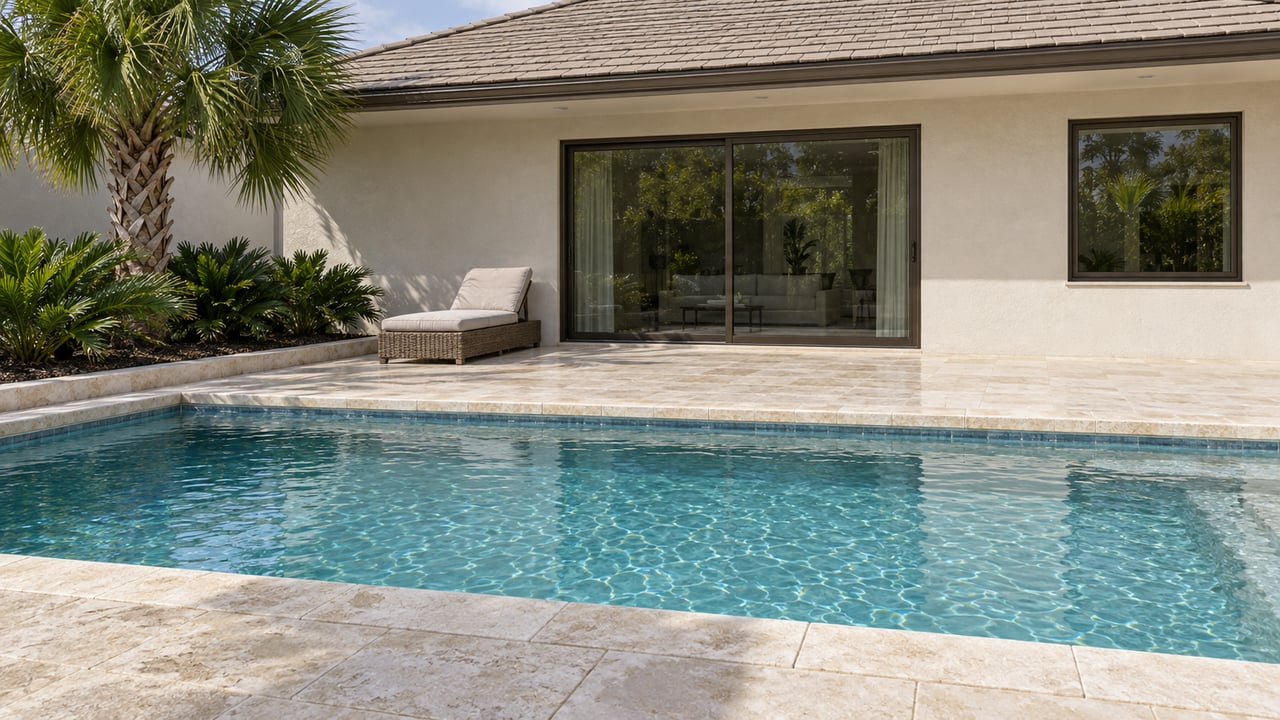
Resale in WildBlue does not always mean older housing stock. Many resale homes in the community were built in 2021, 2022, or 2023, and some include pools, spas, outdoor kitchens, furnished interiors, and custom landscaping. In other words, a resale home here can still feel almost new.
You May Skip the Build Wait
For many buyers, speed is the biggest resale advantage. If you want to move sooner, a completed resale home can be appealing because you are buying what already exists rather than waiting for construction to finish. That can make planning easier, especially if you are relocating or trying to match a specific life timeline.
This is one reason the gap between new and resale is narrower in WildBlue than in older communities. Because many resale homes are only a few years old, you may get a modern layout and updated finishes without waiting for a build cycle.
You Can Evaluate the Actual Home
Resale buying is usually more inspection-driven. You are not evaluating plans, renderings, or a model experience. You are evaluating the home’s actual condition, current systems, visible wear, and completed outdoor spaces.
That can be a major advantage if you prefer certainty. You can inspect what is there, assess how the home lives, and understand what may need attention before closing. Inspection contingencies can also create room to cancel or renegotiate if serious concerns come up.
Negotiation May Offer More Flexibility
Resale buyers often have more room to negotiate on price, repairs, or credits, especially if inspection or appraisal issues arise. That flexibility can be meaningful in a community where premium pricing is common and buyers want to protect value. If the appraisal comes in below contract price, renegotiation may become part of the conversation.
This does not mean every resale seller is highly negotiable. It means the structure of the transaction typically gives you more levers than builder contracts often do. For buyers who like to evaluate risk and respond to findings during due diligence, resale can feel more straightforward.
Outdoor Living May Feel More Complete
One overlooked resale benefit is the finished outdoor experience. Some WildBlue resale homes already offer mature landscaping, completed pools and spas, outdoor kitchens, and polished exterior living areas. If you want a more established look and feel from the beginning, resale may deliver that more easily than a home still in the construction pipeline.
In a lifestyle-focused community, that can matter just as much as the interior. You may be paying for a more complete day-one setup instead of planning future projects after closing.
Costs to Compare in Both Options
Whether you choose new construction or resale, your budget should go beyond the purchase price. WildBlue has both a Community Development District and an HOA, and they serve different roles. The CDD handles infrastructure and certain community-wide services, while the HOA handles other community functions and deed restrictions.
The CDD assessments appear on the county tax bill as non-ad valorem assessments and can vary by year. That means your carrying costs are not limited to principal, interest, taxes, and insurance. Before making a decision, ask for the current CDD assessment amount, HOA dues, and any amenity or club-related fees tied to the home you are considering.
How to Decide Which Path Fits You
If you are trying to choose between new construction and resale homes in WildBlue, a simple framework can help. New construction tends to fit buyers who want personalization, builder warranty coverage, and a brand-new start. Resale tends to fit buyers who want a faster timeline, a more finished outdoor setting, and more room to negotiate.
In WildBlue, though, the decision is more nuanced than it would be in an older neighborhood. Because many resale homes are still very recent, you may not be choosing between old and new. You may be choosing between brand-new and nearly-new.
A Side-by-Side Comparison
| Factor | New Construction | Resale |
|---|---|---|
| Timeline | More schedule variability | Usually faster closing path |
| Personalization | Stronger before build completion | Limited to existing features |
| Warranty | Often includes builder warranty | May have limited remaining coverage |
| Negotiation | Often focused on upgrades or concessions | Often more room on price, repairs, or credits |
| Outdoor Finish | May require future additions | Often more complete from day one |
| Condition Review | Based partly on builder specs and walkthrough | Based on actual inspection of completed home |
What Smart Buyers Confirm Early
No matter which path you prefer, there are a few questions worth answering upfront:
- What amenities are currently open, and which are still coming soon?
- What are the current CDD assessments, HOA dues, and any club-related fees?
- Which features are included in the home price, and which are upgrades?
- What warranty coverage applies, and when does it expire?
- How much timeline flexibility do you need for closing and move-in?
- How might appraisal or inspection outcomes affect your strategy?
These answers can quickly clarify whether a specific home is truly a fit for your goals, budget, and preferred timing.
If you are weighing both paths, the best move is often to compare them side by side in real time instead of assuming one is automatically better. In a community like WildBlue, details matter. The right choice is the one that matches how you want to live, how quickly you want to move, and how much flexibility you want throughout the purchase process.
If you want a calm, detailed review of your options in WildBlue, Tonna Gruber can help you compare new construction and resale opportunities with clear guidance, smart negotiation, and a process built around your goals.
FAQs
What is the main difference between new construction and resale homes in WildBlue?
- New construction usually offers more personalization and builder warranty coverage, while resale often offers a faster move, a completed outdoor setup, and more negotiation flexibility.
Are resale homes in WildBlue considered old homes?
- Not necessarily. Many WildBlue resale homes were built in 2021, 2022, or 2023, so some can feel nearly new while still offering the benefits of a completed home.
What costs should buyers budget for in WildBlue besides the home price?
- Buyers should also review CDD assessments, HOA dues, and any amenity or club-related fees, since WildBlue’s CDD and HOA have separate roles and costs.
Do WildBlue new construction homes come with warranties?
- Many do, but warranty terms vary by builder and product type, so you should verify the exact coverage before making an offer.
Is it easier to negotiate on a resale home in WildBlue?
- In many cases, yes. Resale transactions often create more room to negotiate over price, repairs, or credits, especially after inspections or appraisals.
Why should buyers verify WildBlue amenities before closing?
- The community already has active amenities, but some components are still labeled as coming soon, so it is wise to confirm what is open and available for the specific home you are buying.